Pigmentation and Sun Damage Treatment in Englewood, FL
You have tried the serums. You have been careful with sunscreen. The dark spots are still there, and in some cases they got worse after treatment, not better. That is not bad luck. That is a protocol problem.
Pigmentation is one of the most frustrating skin concerns to deal with, and for a specific reason: it is unpredictable in a way that most other concerns are not. You can do everything right and still see spots deepen, spread, or come back after a treatment that seemed to work at first.
For patients with Asian skin or darker complexions, this frustration is compounded by the fact that many standard treatments make things worse. Laser settings calibrated for lighter skin tones. Peels that are too aggressive for higher Fitzpatrick types. Providers who apply a protocol without identifying what type of pigmentation they are treating or what skin type they are treating it on.
The result is patients who have gone through multiple rounds of treatment, spent real money, and ended up with pigmentation that is darker, patchier, or more widespread than when they started. That is not an inevitable outcome. It is the result of a mismatch between the diagnosis, the treatment, and the skin. At A Younger You Wellness Medspa, Quynh starts with the diagnosis.
This is the single most important thing to understand about treating dark spots and uneven tone: the type of pigmentation determines the treatment. Treating melasma like sun damage, or using a laser designed for epidermal pigmentation on a deeper dermal lesion, produces either no result or a worsening of the original concern.
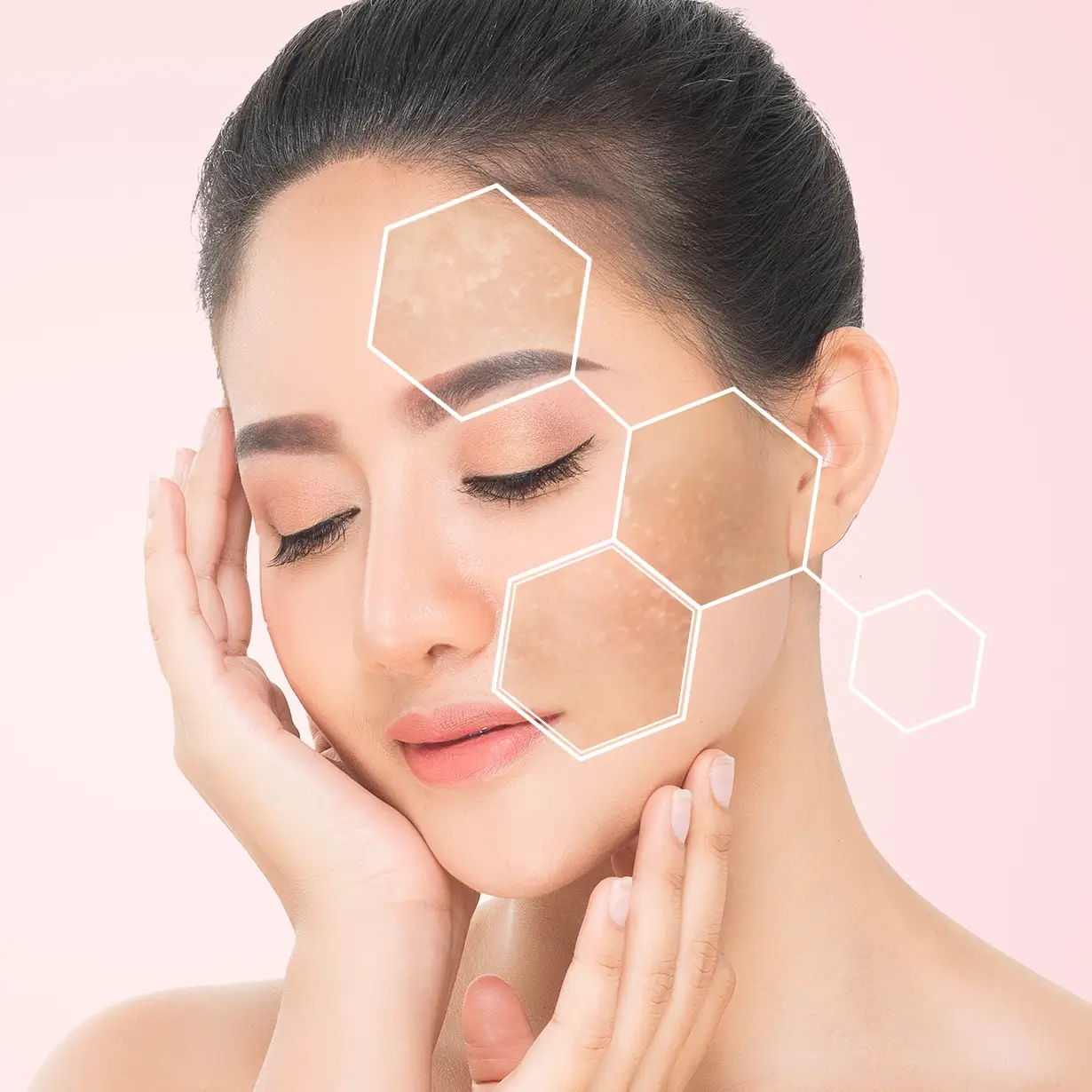
Melasma is hormonally driven pigmentation. It appears in a characteristic butterfly pattern across the cheeks, forehead, and upper lip, and it is triggered or worsened by estrogen, UV exposure, and heat. Melasma responds poorly to aggressive laser treatments, which generate heat and can trigger more melanin production as a protective response. It requires a gentler, more strategic approach: low-fluence laser protocols, targeted chemical peels, and a strict daily UV protection regimen (Sheth VM, Pandya AG. 2011. PMID: 21839302 – verify before publishing).
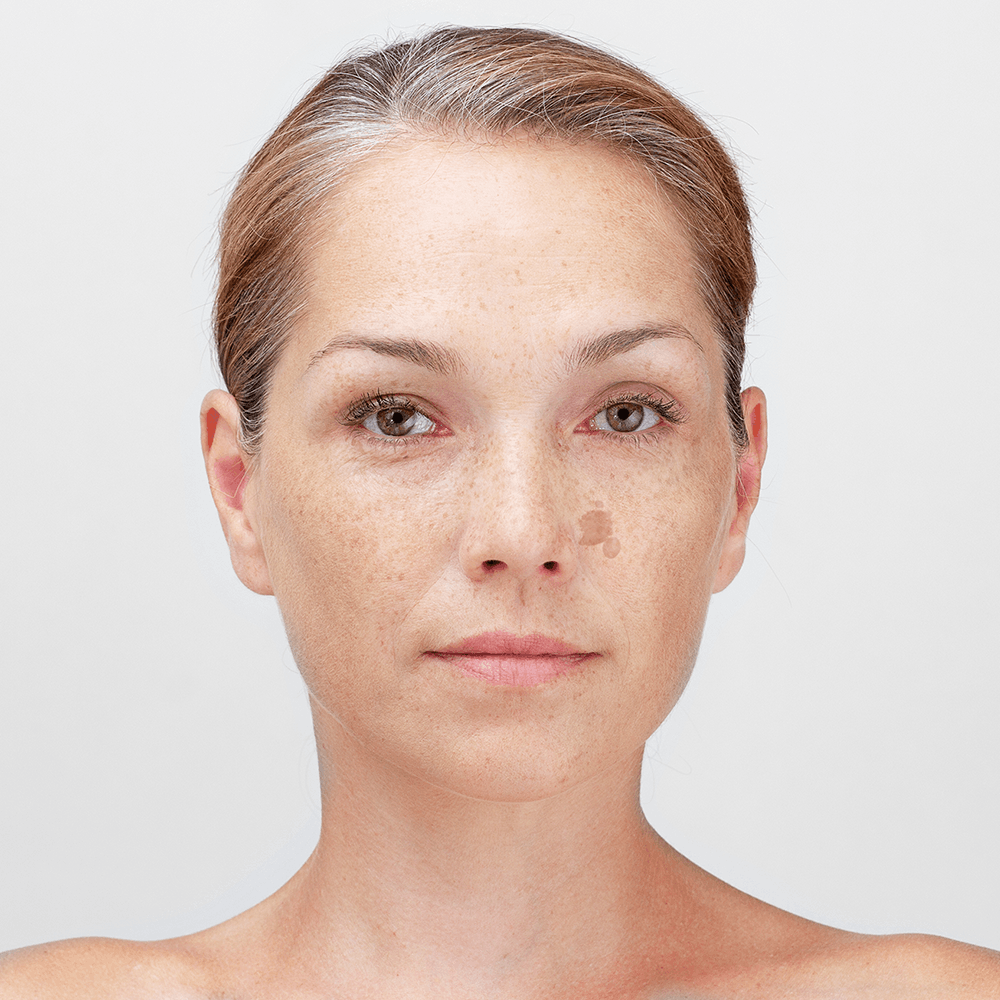
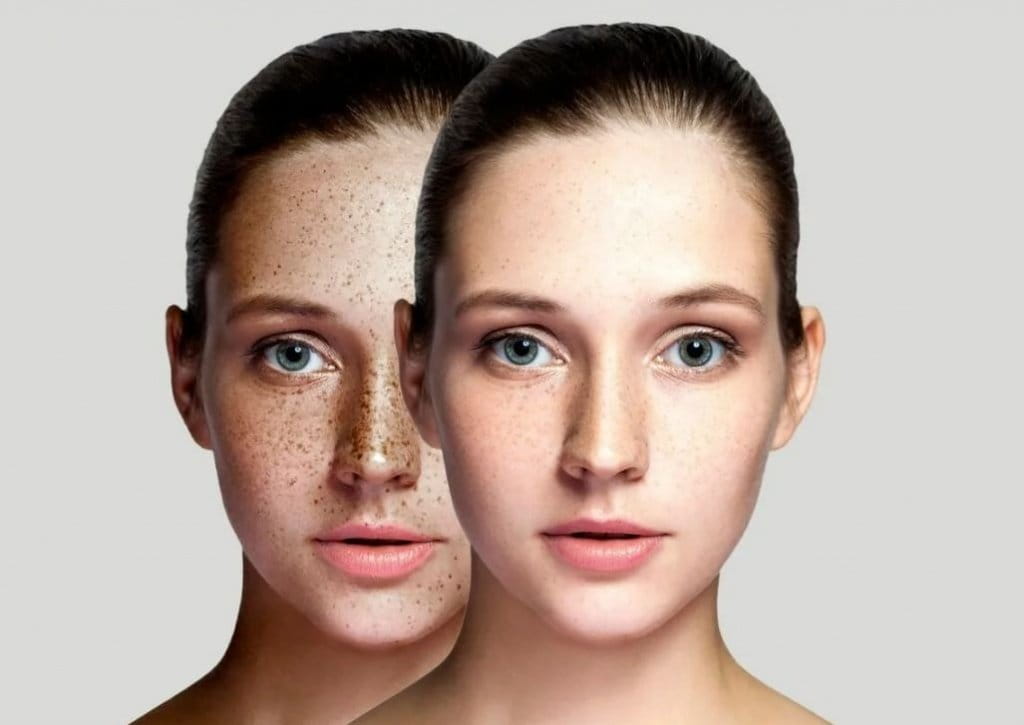
Sun spots and solar lentigines are caused by cumulative UV exposure and sit higher in the skin at the epidermal layer. These respond better to targeted laser treatments that selectively destroy the melanin without overheating surrounding tissue. Q-switched lasers and calibrated IPL are effective for this type of pigmentation when settings are appropriate for the patient skin tone.
Post-inflammatory hyperpigmentation (PIH) is the dark discoloration that appears after skin trauma including acne, injury, or a treatment that caused inflammation. PIH is particularly common in patients with Fitzpatrick III to VI skin and is frequently triggered or worsened by overly aggressive treatments. Managing PIH requires a protocol that reduces inflammation, gradually breaks down excess melanin, and protects the skin from further UV stimulation. Getting the diagnosis right before starting treatment is what separates a protocol that works from one that wastes time or causes harm. At A Younger You Wellness Medspa, every pigmentation consultation begins with identifying the type and depth of pigmentation before any treatment is selected.
How Quynh Doan Approaches Pigmentation Treatment
The first question at every pigmentation consultation at A Younger You Wellness Medspa is not which treatment to use. It is what type of pigmentation this is and what is driving it. Melasma, sun spots, and PIH each require a different approach, and the clinical consequences of getting this wrong can set a patient back months.
For melasma, aggressive laser and heat-based treatments are avoided unless the clinical picture specifically supports them. The protocol typically combines low-fluence laser sessions with medical-grade chemical peels and a reinforced home skincare regimen that includes daily broad-spectrum SPF. Progress is measured carefully between sessions.
For sun damage and discrete dark spots, targeted laser treatments calibrated precisely to the patient Fitzpatrick type are highly effective. Laser energy that is appropriate for Fitzpatrick I or II skin can cause significant post-inflammatory hyperpigmentation in Fitzpatrick IV, V, or VI skin if the settings are not adjusted accordingly. This is where Quynh’s specialized training in treating Asian and diverse skin tones produces materially different outcomes than a generalized protocol.
Throughout treatment, sun protection is non-negotiable. Any pigmentation treatment at A Younger You Wellness Medspa that is not paired with daily SPF 50 and sun avoidance will produce incomplete results. Quynh discusses this with every patient at consultation and considers home skincare compliance as part of the treatment plan, not an afterthought.
Treatments for Pigmentation and Sun Damage at A Younger You Wellness Medspa
Treatment selection for pigmentation is highly individualized. The right option depends on the type of pigmentation, your skin tone, your history of prior treatments, and your realistic goals. Quynh selects and combines these treatments at consultation based on your specific clinical picture.
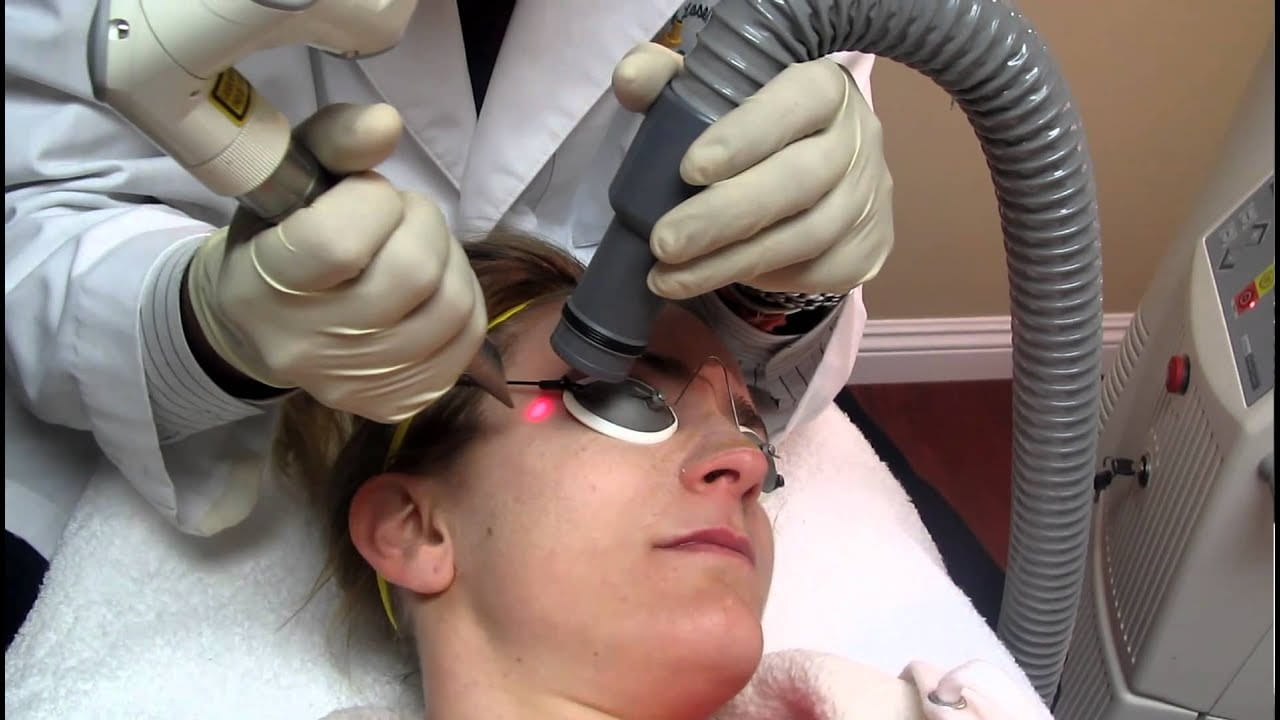
Dark Spot Lasers
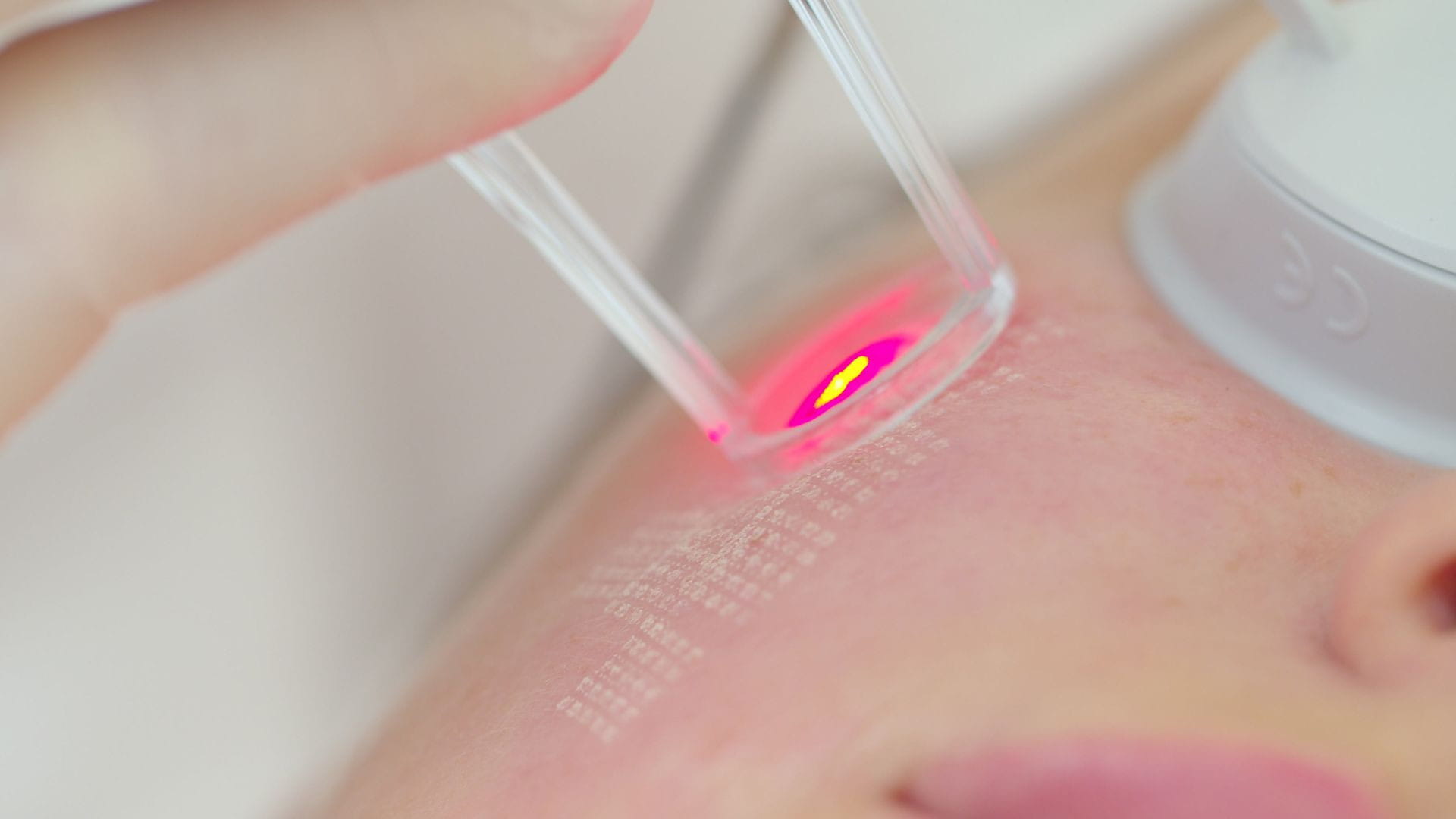
Targeted laser energy that selectively destroys excess melanin in discrete dark spots and solar lentigines. Settings calibrated specifically for your Fitzpatrick skin type to prevent post-inflammatory hyperpigmentation.
Skin Resurfacing Lasers
Fractional laser resurfacing that improves overall skin tone, texture, and surface pigmentation while stimulating collagen production beneath. Protocol adjusted for skin tone and pigmentation type.
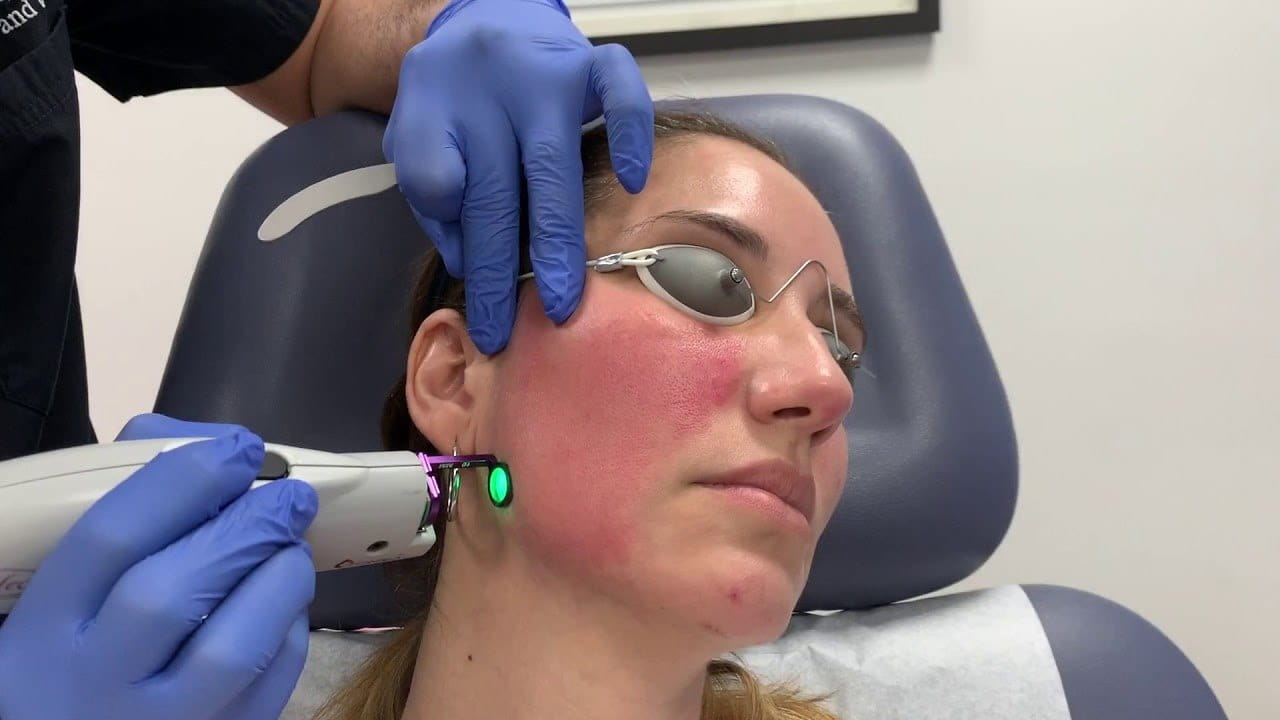
Redness and Rosacea Lasers
Vascular laser treatments that target redness, visible vessels, and rosacea-associated discoloration for a more even complexion. Relevant for patients whose uneven tone has a vascular component.
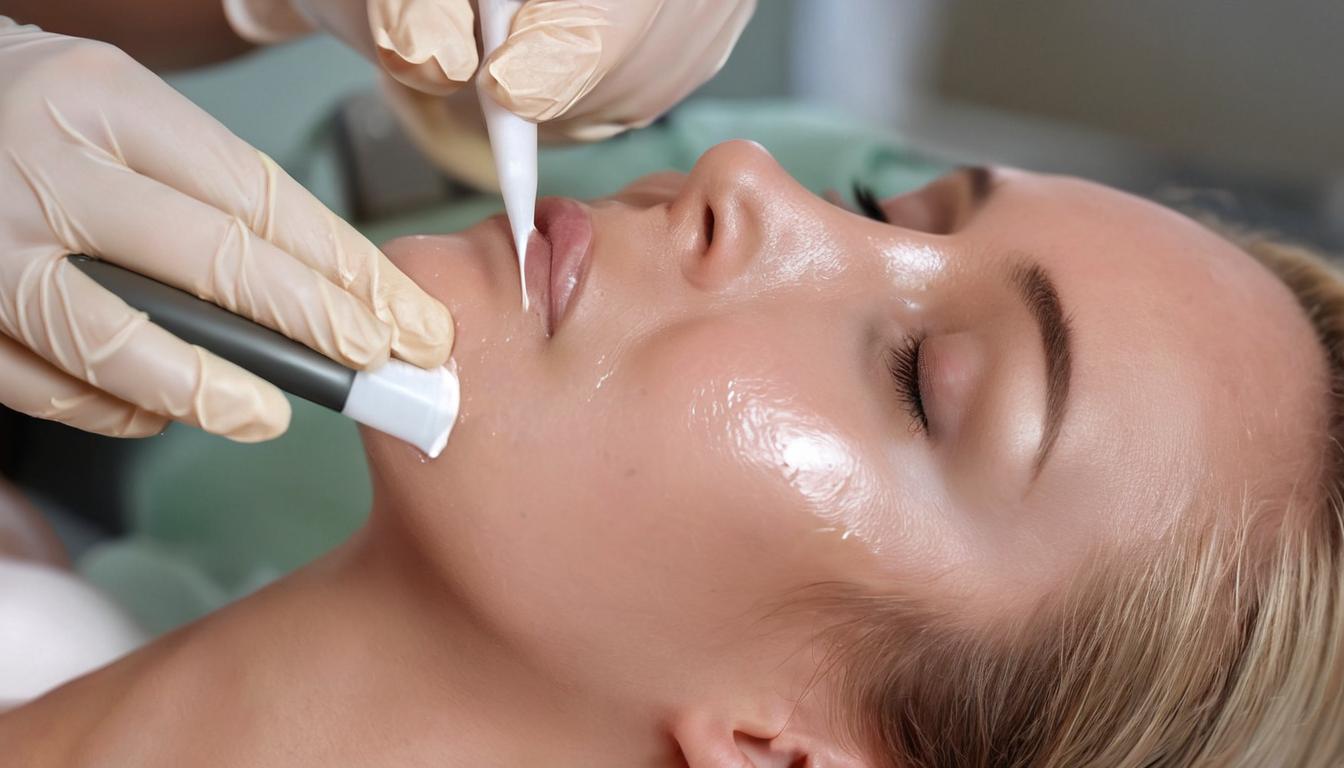
Chemical Peels
Medical-grade chemical exfoliation formulated for your skin tone and pigmentation type. Effective for melasma, PIH, and surface sun damage when applied with the correct acid type, concentration, and depth for your specific Fitzpatrick type.
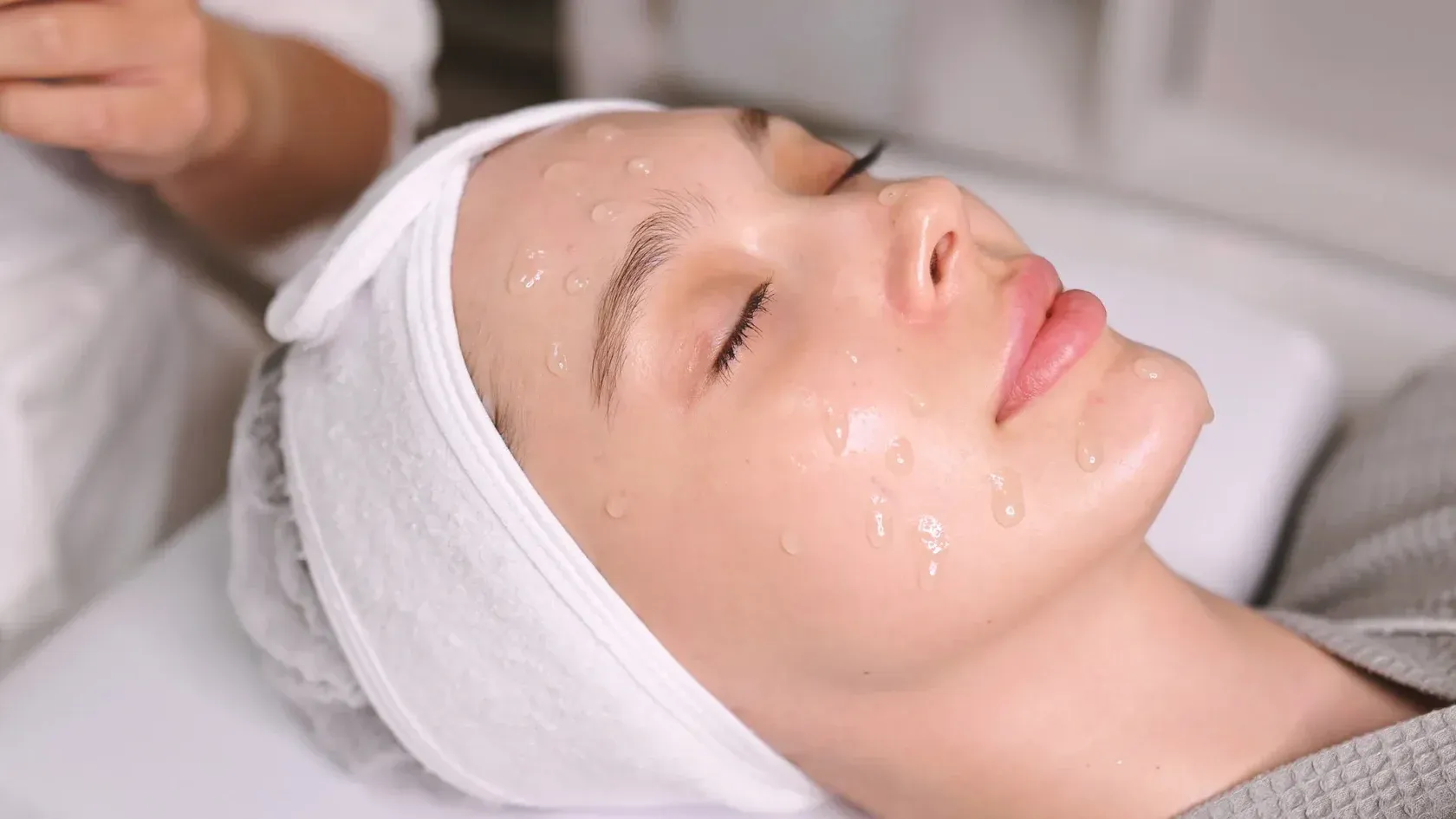
Exo NAD Peel
Next-generation resurfacing peel combining exosome signaling technology with NAD+ for cellular repair, pigmentation reduction, and skin renewal at a deeper biological level than traditional chemical peels.
Nucleotide Skin Booster
Injectable skin booster that supports skin hydration, elasticity, and brightness from within the dermis. Used as a complementary treatment to improve overall skin quality alongside targeted pigmentation protocols.
REALISTIC EXPECTATIONS
What to Realistically Expect from Pigmentation Treatment
Pigmentation is one of the most challenging skin concerns to treat, and results depend heavily on the type of pigmentation, your compliance with sun protection, and your biological response to treatment. Realistic expectations at the outset are what separate satisfied patients from disappointed ones.
Sun spots and discrete solar lentigines typically respond well to targeted laser treatment, with visible fading after 2 to 4 sessions depending on the depth and density of the pigmentation. Results for sun damage are generally more predictable than for melasma.
Melasma is a chronic condition, not a one-time treatable problem. It can be significantly improved with the right protocol, but it has a high recurrence rate when sun protection lapses or hormonal factors are not managed. Patients who achieve good clearance of melasma need to maintain strict daily SPF, manage heat exposure, and in some cases adjust hormonal contraceptive use in consultation with their physician.
Post-inflammatory hyperpigmentation typically fades over time with the right treatment and diligent sun protection, but the timeline varies considerably. Darker skin tones may take longer to see full resolution. Results vary between patients, and Quynh gives every patient at A Younger You Wellness Medspa a specific, honest assessment of what their pigmentation type means for their expected timeline.
Results vary. This content is for informational purposes only and does not constitute medical advice. Please consult a licensed provider before beginning any treatment.
The Clinical Evidence Behind Pigmentation Treatment
This comprehensive review established the current clinical understanding of melasma as a hormonally influenced, UV-exacerbated condition affecting primarily women with Fitzpatrick III to V skin. The authors documented the inadequacy of aggressive heat-based treatments for melasma and recommended a combination approach incorporating sun protection, topical depigmenting agents, and carefully selected energy-based treatments. This confirms why the diagnostic step before treatment matters enormously for melasma.
This review specifically examined the clinical risks and required modifications when using energy-based devices on patients with darker skin tones. The authors documented the heightened risk of PIH with standard laser parameters in Fitzpatrick IV to VI skin and outlined specific adjustments in fluence, pulse duration, and cooling required to treat safely. This is the evidence base for Quynh calibrated protocols for Asian and diverse skin patients at A Younger You Wellness Medspa.
This study evaluated chemical peels specifically for melasma in patients with darker skin tones and found that superficial to medium-depth peels using glycolic acid, salicylic acid, and mandelic acid were effective and well-tolerated when combined with appropriate pre-conditioning and post-treatment care. The study reinforced the importance of peel selection based on skin type, which is standard practice at A Younger You Wellness Medspa.
90%
of Melasma Patients Are Women
Melasma is overwhelmingly a female concern, closely linked to estrogen and sun exposure. Understanding this drives more targeted treatment planning.
Sheth and Pandya, 2011, Journal of the American Academy of Dermatology
Fitzpatrick III to VI
Skin Tones Treated Safely at A Younger You Wellness Medspa
All treatments including lasers and peels are calibrated specifically for your skin tone. No generalized protocols that risk worsening pigmentation.
Quynh Doan, APRN, Clinical Practice
Daily SPF
Required in All Pigmentation Protocols
No pigmentation treatment produces lasting results without daily broad-spectrum SPF. This is part of every protocol at A Younger You Wellness Medspa.
American Academy of Dermatology Guidelines
44
Google Reviews
44 real patient reviews on Google. Read them at the Google Business Profile before you book
Google Business Profile, publicly verified
Who Benefits Most from Pigmentation Treatment at A Younger You Wellness Medspa
Pigmentation treatment is highly individualized, and outcomes vary based on the type of pigmentation, skin tone, lifestyle compliance, and biological response. The following patients tend to see the strongest results.
A strong fit for patients who:
Have discrete sun spots or solar lentigines from years of UV exposure and want targeted, effective reduction
Are dealing with melasma and want a provider who understands that aggressive treatment often makes it worse
Have Asian skin or darker skin tones and have had pigmentation worsen after treatment at another clinic
Experience post-inflammatory hyperpigmentation from acne or previous skin trauma and want a careful, inflammation-aware protocol
Are committed to daily SPF use and willing to maintain results with ongoing sun protection and periodic follow-up
This may not be the right approach if:
You are not prepared to maintain strict daily sun protection. Treatment without UV management will produce incomplete and temporary results at best.
You are pregnant or breastfeeding. Many pigmentation treatments are contraindicated during this period and Quynh will advise accordingly.
You are expecting rapid results from a single session. Pigmentation, especially melasma, requires a gradual multi-session approach for safe and effective clearance.
Pigmentation Treatments Serving Englewood and Southwest Florida
A Younger You Wellness Medspa is located at 2828 S McCall Rd Unit 9, Englewood, FL 34224. We treat patients for pigmentation, dark spots, melasma, and sun damage from across Englewood, Port Charlotte, Venice, Rotonda West, and throughout Southwest Florida. Patients with Asian and diverse skin tones who have been unable to find a provider with the specialised training to treat them safely regularly make the drive to Englewood from Port Charlotte, Venice, and North Port.
If you have dealt with pigmentation that has not responded to standard treatments, or if you have had a treatment that made your dark spots worse rather than better, book a consultation at book or call (941) 841-2176.
Where can I find pigmentation and dark spot treatments near Port Charlotte or Englewood FL?
A Younger You Wellness Medspa at 2828 S McCall Rd Unit 9, Englewood, FL 34224 offers treatments for pigmentation, dark spots, melasma, and sun damage. We serve patients from Englewood, Port Charlotte, Venice, Rotonda West, and throughout Southwest Florida. Quynh Doan, APRN conducts every consultation and treatment personally. Same-week consultation appointments are available. Call (941) 841-2176 or book at ayoungeryoumedspa.com/book/.
What is the difference between melasma and sun spots?
Melasma is hormonally driven pigmentation that typically appears in a symmetrical pattern across the cheeks, forehead, and upper lip. It is triggered or worsened by UV exposure, heat, and hormonal changes such as pregnancy or oral contraceptive use. Sun spots, also called solar lentigines, are caused by cumulative UV exposure and appear as discrete flat brown marks, typically on the face, hands, and arms. The treatments for each are different. Treating melasma with aggressive laser or heat-based approaches often worsens it rather than improving it. Getting the correct diagnosis before treatment is what determines whether a protocol works or causes harm.
I have had laser treatment that made my dark spots worse. Why does that happen and can it be fixed?
This is one of the most common situations Quynh sees in consultation, and it is almost always the result of a laser protocol that was not calibrated for the patient skin tone. Patients with Asian or darker skin tones have higher melanocyte activity, which means laser heat and UV exposure can trigger more melanin production as a protective response. When laser settings are too aggressive for your Fitzpatrick type, the result is post-inflammatory hyperpigmentation. This can be addressed, but it requires a careful, inflammation-aware protocol and significant patience. Quynh Doan has specialized training in treating PIH in darker skin tones and will give you an honest assessment of what is realistically achievable at A Younger You Wellness Medspa.
How much do pigmentation and dark spot treatments cost in Englewood, FL?
Pricing for pigmentation treatments at A Younger You Wellness Medspa depends on which treatments are appropriate for your specific pigmentation type, how many sessions are required, and your skin tone and goals. A chemical peel series for melasma, a targeted laser series for discrete sun spots, and a combination protocol for PIH are all priced differently. Quynh discusses pricing transparently at your consultation before any treatment is scheduled. Book at /book/ or call (941) 841-2176.
Is laser treatment safe for Asian skin with pigmentation or dark spots?
Laser treatment for pigmentation in Asian and darker skin tones is safe when performed by a provider with the specific training and equipment to calibrate protocols for your skin type. The risk is well-documented: standard laser settings designed for lighter skin tones can cause post-inflammatory hyperpigmentation in Fitzpatrick III to VI skin if the energy, pulse duration, and cooling are not adjusted. Quynh Doan has specialized training in treating Asian and diverse skin and modifies every laser parameter for your specific skin tone at A Younger You Wellness Medspa.
Can pigmentation and melasma come back after treatment?
Yes, particularly with melasma. Melasma is a chronic condition with a high recurrence rate when sun protection lapses or hormonal triggers persist. Most patients who achieve good clearance of melasma need ongoing daily SPF use, heat avoidance, and periodic maintenance treatments to keep it controlled. Sun spots can also redevelop with continued UV exposure. Quynh discusses realistic maintenance expectations at your consultation at A Younger You Wellness Medspa so you understand what long-term management looks like before committing to treatment.
How many treatment sessions will I need for my pigmentation?
his depends on the type and depth of your pigmentation, your skin tone, and the treatment selected. Discrete sun spots may respond in 2 to 4 targeted laser sessions. Melasma typically requires a multi-session approach combining chemical peels and low-fluence laser over several months, paired with a medical-grade home regimen. Post-inflammatory hyperpigmentation varies considerably in how quickly it responds based on depth and skin tone. Quynh designs a specific, realistic timeline at your consultation at A Younger You Wellness Medspa rather than giving a generic estimate.T